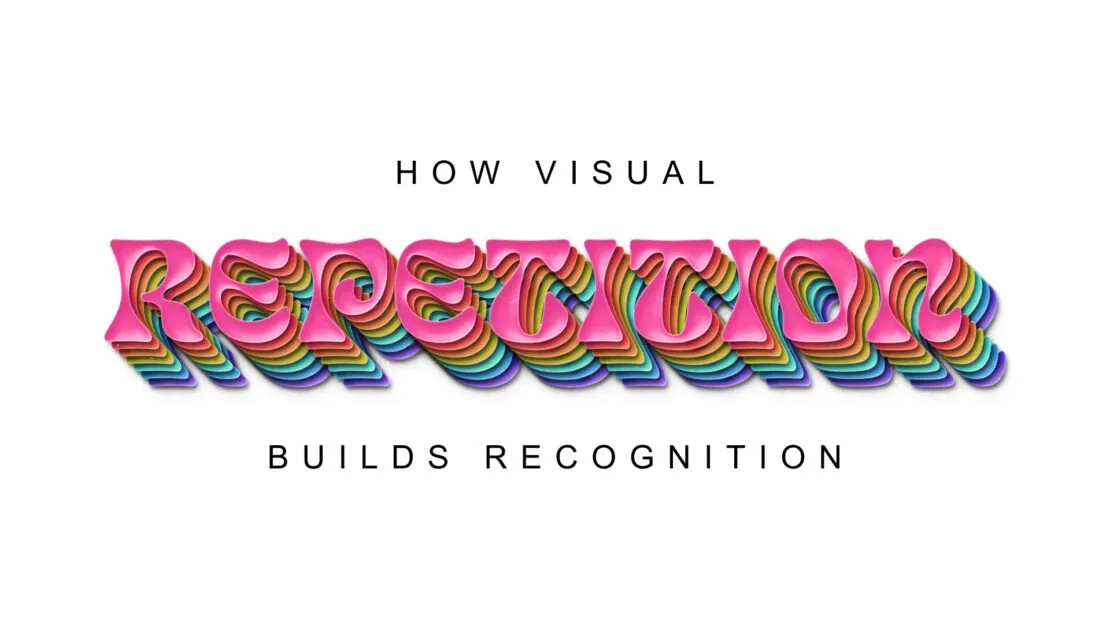
Most memorable brands don’t rely on one great logo.
They rely on consistency.
Think about the brands that are instantly recognisable. Chances are, it’s not just their logo that comes to mind. It’s the colours they use, the style of photography, the typography, the tone of voice, the spacing, the icons, the illustrations, and even the way their website feels to navigate.
Recognition isn’t built through one design decision.
It’s built through repetition.
Recognition Happens Over Time
Brand recognition is rarely created after a single interaction.
Instead, it develops gradually as people encounter the same visual cues again and again. Every visit to a website, every social media post, every email, and every presentation reinforces what the brand looks and feels like.
Over time, those repeated elements become familiar.
And familiarity builds trust.
Consistency Creates Confidence
Imagine visiting a website where every page looks slightly different.
Buttons change colour. Headings use different fonts. Photography switches between styles. The tone of voice feels inconsistent.
Nothing is technically wrong, but something feels off.
Now compare that to a brand where every touchpoint feels connected. The colours are consistent. The layouts follow familiar patterns. The messaging sounds like it’s coming from the same organisation.
That consistency creates confidence.
Users begin to trust what they recognise.
Small Details Have a Big Impact
Visual repetition isn’t about copying the same layout onto every page.
It’s about creating a system of familiar elements that work together.
That might include:
- A consistent colour palette
- Recognisable typography
- Repeating graphic elements
- Similar image treatments
- Consistent button styles
- Predictable spacing and layouts
Individually, these decisions may seem small.
Together, they create a brand that’s easier to remember.
Repetition Reduces Cognitive Load
Consistency isn’t just good for branding, it’s good for usability too.
When visual patterns repeat, users don’t have to relearn how the website works every time they move to a new page. They quickly understand where to find navigation, what buttons look like, and how content is organised.
The interface becomes familiar.
That familiarity makes the experience feel simpler and more intuitive.
Strong Brands Feel Cohesive
One of the biggest differences between established brands and newer ones is cohesion.
Established brands rarely feel like a collection of separate pieces. Everything feels connected because every touchpoint follows the same visual language.
Whether someone visits the website, downloads a brochure, or scrolls through social media, the experience feels unmistakably part of the same brand.
That’s not an accident.
It’s the result of consistent design decisions repeated over time.
Consistency Doesn’t Mean Repetition Without Purpose
Being consistent doesn’t mean every page has to look identical.
A strong visual identity leaves room for creativity while maintaining recognisable foundations.
Different campaigns can have their own personality. Landing pages can have unique layouts. New content can introduce fresh ideas.
As long as the core elements remain consistent, the brand continues to feel unified.
The goal isn’t uniformity.
It’s recognition.
Brand Recognition Is Built Through Every Interaction
Every digital touchpoint contributes to how people remember a business.
A website isn’t separate from the brand. It’s one of the strongest expressions of it.
Every interaction reinforces an impression, whether that’s through thoughtful typography, consistent layouts, familiar colours, or a clear tone of voice.
Over time, these repeated experiences shape how memorable a business becomes.
The Strongest Brands Aren’t Always The Loudest
They’re often the most consistent.
Visual repetition helps people recognise a business, remember it, and gradually build confidence in it. While one interaction may leave an impression, it’s the accumulation of many consistent experiences that creates lasting recognition.
Because in branding, familiarity isn’t boring.
It’s what makes a business unforgettable.